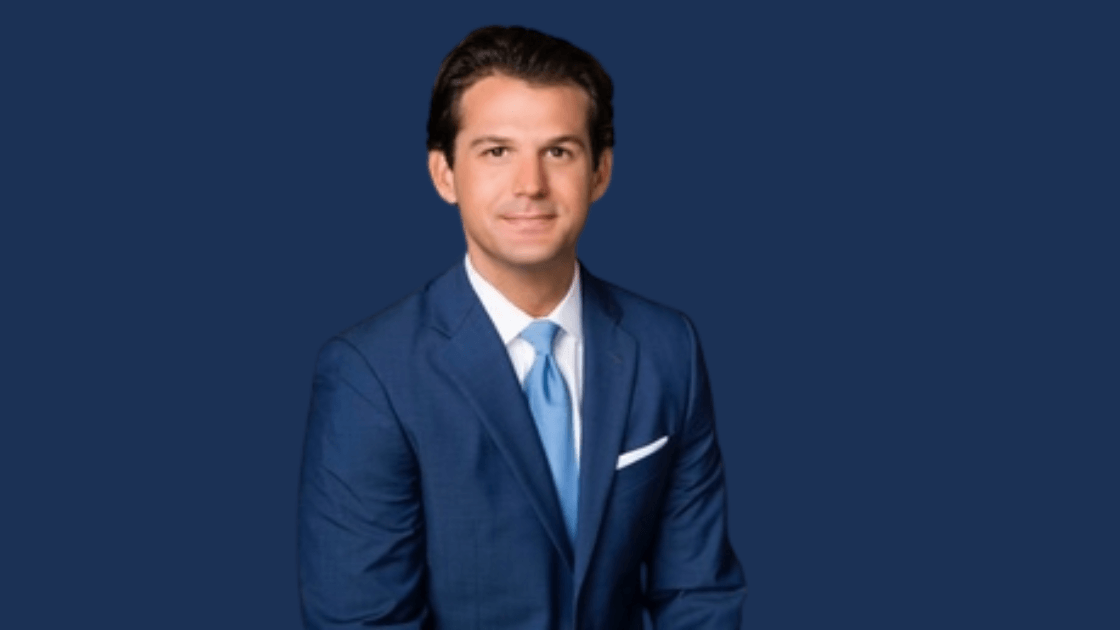
Michael Williams’ fascination with business didn’t start in a boardroom, but in the collaborative high-tech hubs of Northern California. While pursuing his MBA at the Stanford Graduate School of Business, Michael became obsessed with the concept of “swarm intelligence”—the idea that a group of individuals following simple rules can achieve complex, massive goals that no single leader could accomplish alone.
During his time at Stanford, Michael stood out for his focus on Interpersonal Dynamics. While his classmates were racing to build the next “unicorn” app, Michael was studying why some of the most well-funded teams in Silicon Valley were imploding from within. He realized that the “Lone Wolf” CEO model was a relic of the past. The future belonged to the “Flock”—businesses that moved with synchronization, shared purpose, and collective agility.
After graduating, Michael spent seven years as a turnaround specialist for mid-sized firms across the Pacific Northwest. He gained a reputation for taking fragmented, dysfunctional departments and turning them into highly synchronized units. He often used the metaphor of a flock of birds to explain his strategies: every member has a role, communication is constant, and the direction is unified.
Michael recognized that the shift toward remote and hybrid work had left many leaders feeling disconnected from their teams. He saw an urgent need for a resource that focused on the “people” side of business scaling. He launched Flock Business to serve as a digital headquarters for collaborative leadership. The site was built to provide managers with the frameworks to foster “we-centric” cultures. Today, Michael operates Flock Business from his home office in Seattle, proving that when a business learns to move as one, the sky is the limit.